Community Resources
As we navigate myriad challenges after the Kula fire, we are learning a lot. We’ll continue to share what we learn here, in the form of links and resources from reputable organizations and sources.
Fire Safety
-
Community wildfire protection plan: Upcountry Maui 2016
A comprehensive look at the wildfire risk in Upcountry Maui. To search for a Community Wildfire Protection Plan for another region of Hawaiʻi, click here.
-
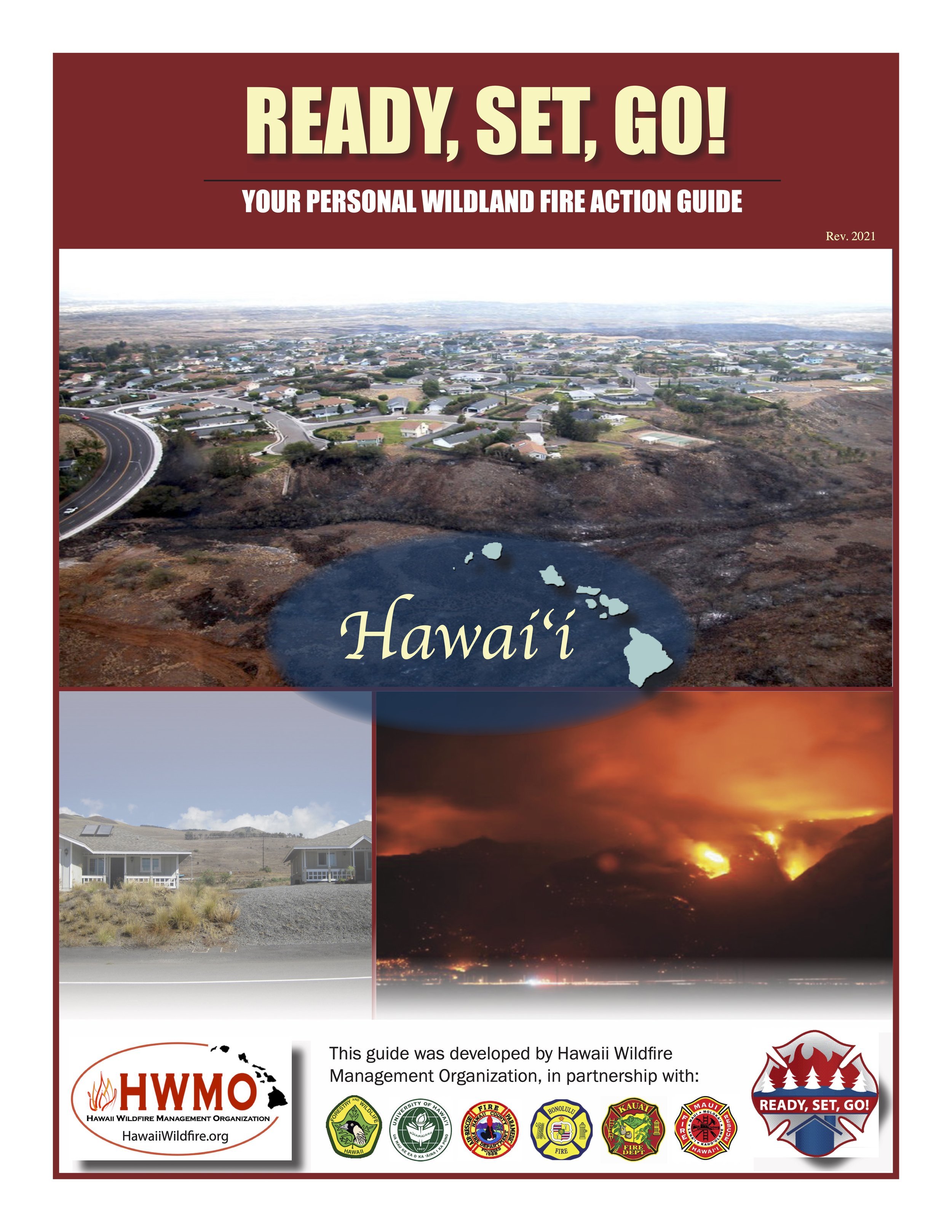
Ready, set, go! Your personal wildland fire action guide
A guide to saving lives and property through advanced planning, compiled by our friends at Hawaiʻi Wildfire Management Organization.
-

Firweise guide to landscape & construction
Do you live in a FIREWISE community? Hereʻs a place to start learning how you can do your part.

Watershed Health and Land Management
-

Invasive plants of Kula
A guide compiled by members of the Kula Community Watershed Alliance to support the health of our local ecosystem.
-

Hawai'i Watershed Guidance
The Hawai`i Coastal Zone Management (CZM) Program and Hawai`i Department of Health (HDOH) have developed this guide to watershed management.
-

Māʻalaea Bay Watersheds Management Plan
The Māʻalaea Bay Watersheds Management Plan offers specific guidance about our area of Upper Kula and the impacts of erosion on our watershed, which ultimately drains into Māʻalaea Bay.
-
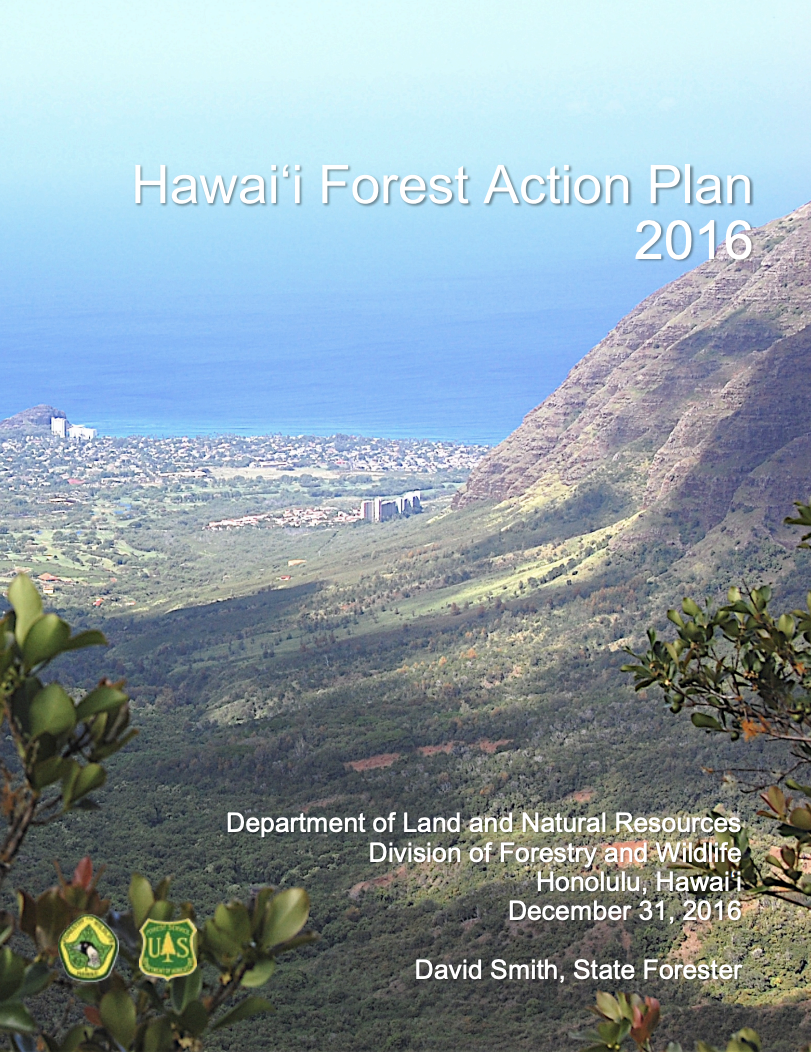
Hawaiʻi Forest Action Plan
The Department of Land and Natural Resources (DLNR), Division of Forestry and Wildlife (DOFAW) is the lead agency in the development of the Hawaiʻi Forest Action Plan. This plan all forest land ownerships —state, private, and federal — and views forests as a whole rather than by programs. It will enable DOFAW to continue to seek funding for landscape-scale management and to integrate the many programs the division administers through one planning document. The plan identifies nine priority areas for Hawai‘i’s forests that include: water quality and quantity; forest health, invasive species, insects and disease; wildfire; urban and community forestry; climate change and sea level rise; conservation of native biodiversity; hunting, nature-based recreation, and tourism; forest products and carbon sequestration; and US tropical island state and territorial issues.
-
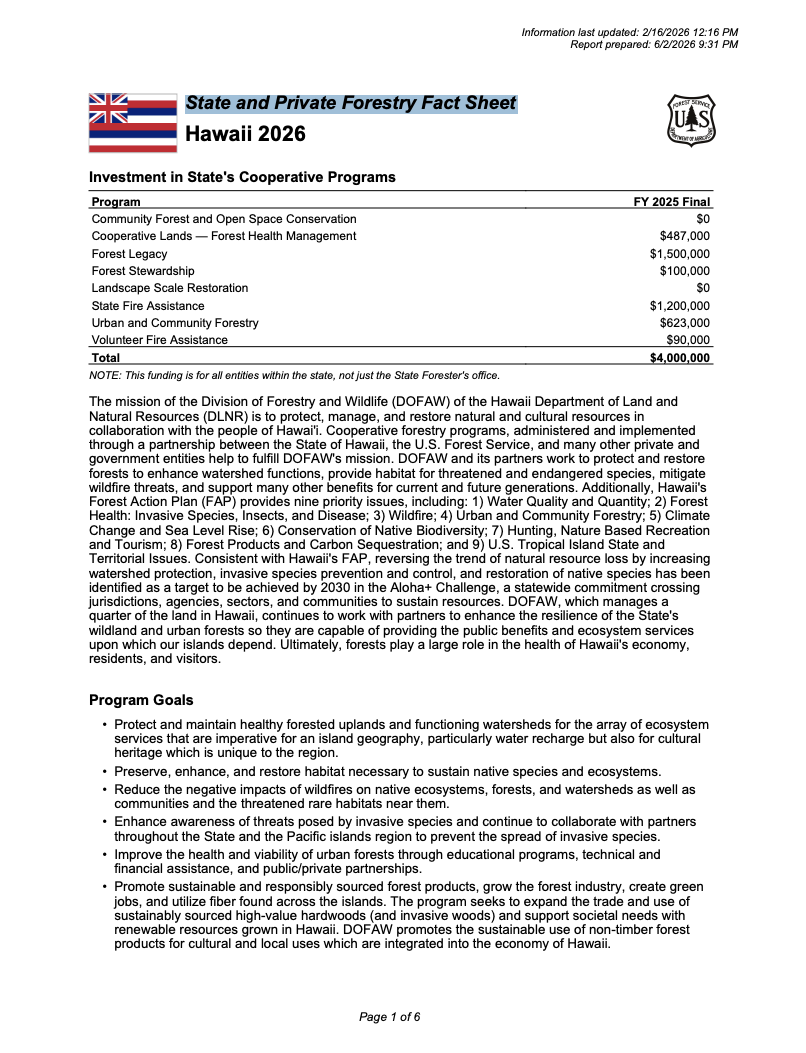
Hawaiʻi State & Private Forestry Fact Sheet
At-a-glace information about forestry and forest management on State and private lands in Hawaiʻi, published by the Department of Land and Natural Resoruces (DLNR), Division of Forestry and Wildlife (DOFAW) and US Forest Service Pacific Southwest Region.
-
Best Management Practices for Maintaining Water Quality in Hawaiʻi
Best management practices are effective, practical, structural or non-structural methods which prevent or reduce the movement of sediment, nutrients, pesticides, and other pollutants from the land to surface or ground water, or which otherwise protect water quality from potential adverse effects of silvicultural activities. (Silviculture is the art and science of controlling the establishment, growth, composition, health, and quality of forests and woodlands.)
Rapid ʻŌhiʻa Death & Koa Wilt
-
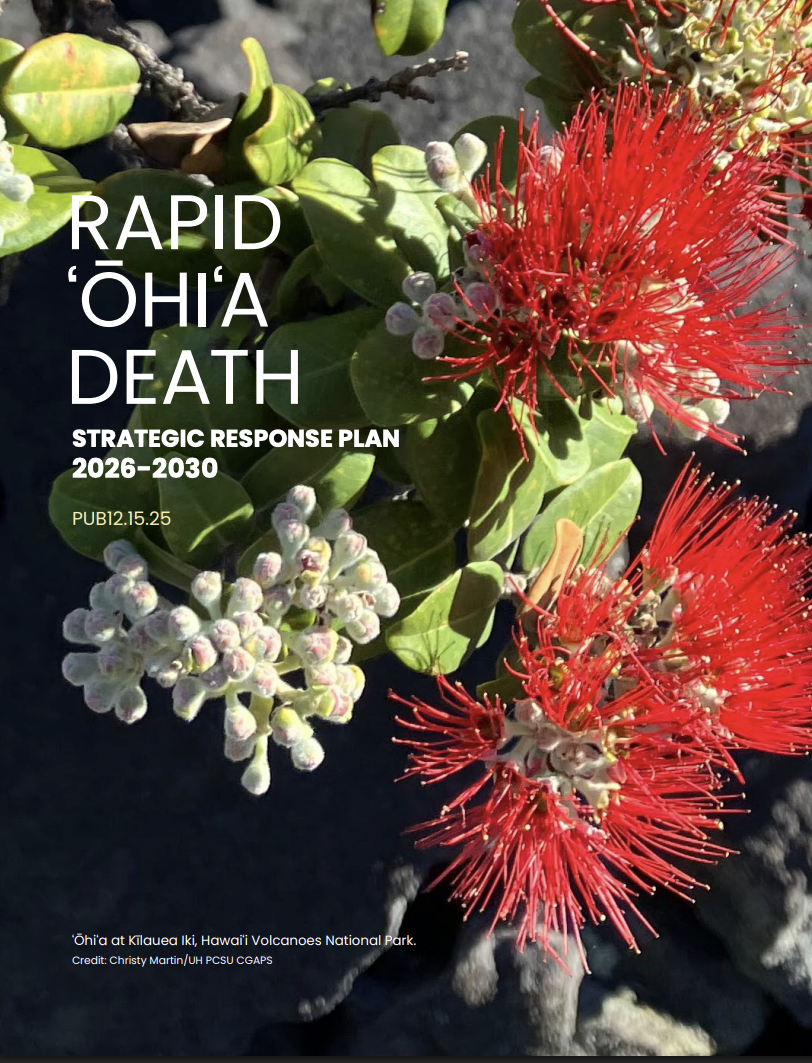
Rapid ʻŌhiʻa Death Strategic Response Plan 2026-2040
Rapid ʻŌhiʻa Death is a new fungal pathogen that attacks and can quickly kill ʻōhiʻa trees (Metrosideros polymorpha). The disease has been recognized as two distinct species, Ceratocystis huliohia (ROD canker disease) and C. lukuohia (ROD wilt disease), with significantly different disease behavior– although both ultimately lead to tree mortality. It was first identified on Hawaii Island in 2014. ʻŌhiʻa is endemic to Hawaii and comprises approximately 80% of Hawaii’s native forests. It is a keystone species in the forest, and its loss will negatively impact watersheds, cultural tradition, natural resources, wildlife, and way of life in the Hawaiian Islands.
-
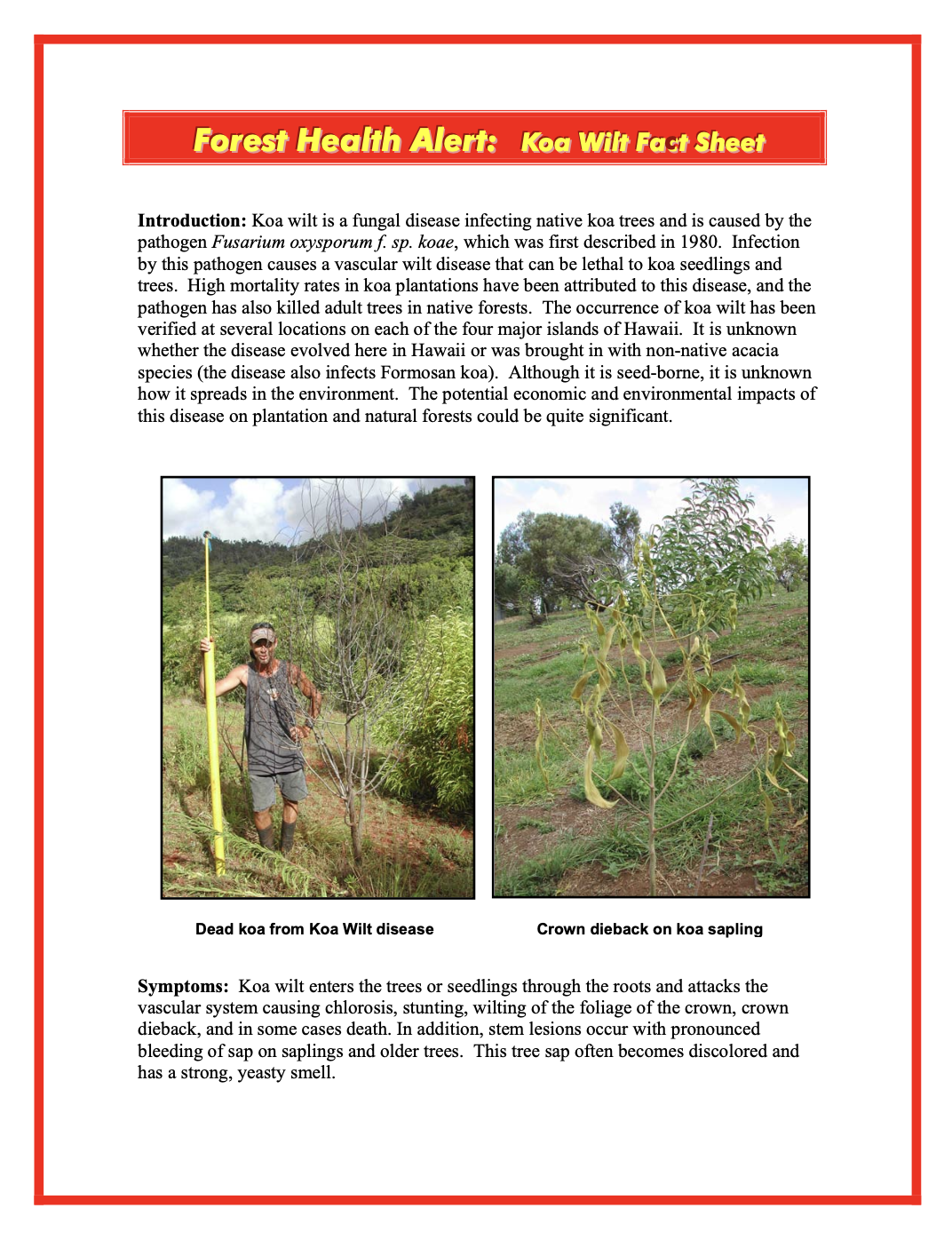
Forest Health Alert: Koa Wilt Fact Sheet
Koa wilt is a devastating vascular disease caused by the soil-borne fungus Fusarium oxysporum f. sp. koae (FOXY). It affects koa trees statewide, causing severe mortality in low- to mid-elevation native forests and reforestation plantings. To combat this, our partners at Hawaii Agriculture Research Center (HARC)—in partnership with the U.S. Forest Service and the DLNR Division of Forestry and Wildlife (DOFAW)—has led a multi-island tree improvement program aimed at saving the species.
Explore all the ways to join us and get involved.
Join the Alliance.
Are you a concerned resident living in the fire affected areas of Kula? A potential partner that can bring resources to our effort? Join the Kula Community Watershed Alliance and connect with like-minded neighbors who are dedicated to restoring the lands they call home.
Make a Gift
Post-fire recovery, soil stabilization, and land restoration of this magnitude is a long-term stewardship process that requires hard work, specialized equipment, expertise, and resources to properly execute. Please give what you can to help us make our neighborhood fire-safe, recover the land, and support its vitality.
Watch the Watershed.
Have you noticed anything new in your watershed? Submit your observations to our crowdsourced citizen science project to get to know our watershed better.
Volunteer
The Alliance is currently engaged in large-scale soil stabilization work in the burn areas requiring skilled contractors and machine operators – it is work that’s not quite suitable for volunteers.
Sign up to Join the Alliance, and choose the volunteer option, and weʻll be in touch when the opportunity arises!