Restoring More Than a Landscape: Putting People at the Center of Long-Term Fire Recovery
by Sara Tekula

KCWAʻs formation three weeks after the Maui Wildfires
On August 31, Kula Community Watershed Alliance marked our third anniversary.
Three years earlier, in the aftermath of the August 2023 Kula wildfire, a group of fire survivors, neighbors, and community members gathered beneath the shade of a koa–ʻōhiʻa canopy that had been planted only 11 years before.
That gathering became KCWA.
There was something deeply fitting about beginning there: beneath trees that were themselves evidence of what long-term care can make possible.
We were standing together as a fire-affected community, under a young native canopy just a short distance upslope of where the fire was stopped by neighbors building fire breaks, trying to imagine what recovery could look like—not just for individual properties, but for an entire connected landscape.
Three years later, that question still guides our work.
When we talk about KCWA, we often talk about acres restored, invasive trees removed, fences constructed, native plants established, erosion reduced, and wildfire risk addressed.
Those things matter. They are fundamental to the recovery of our landscape.
But they are only part of the story.
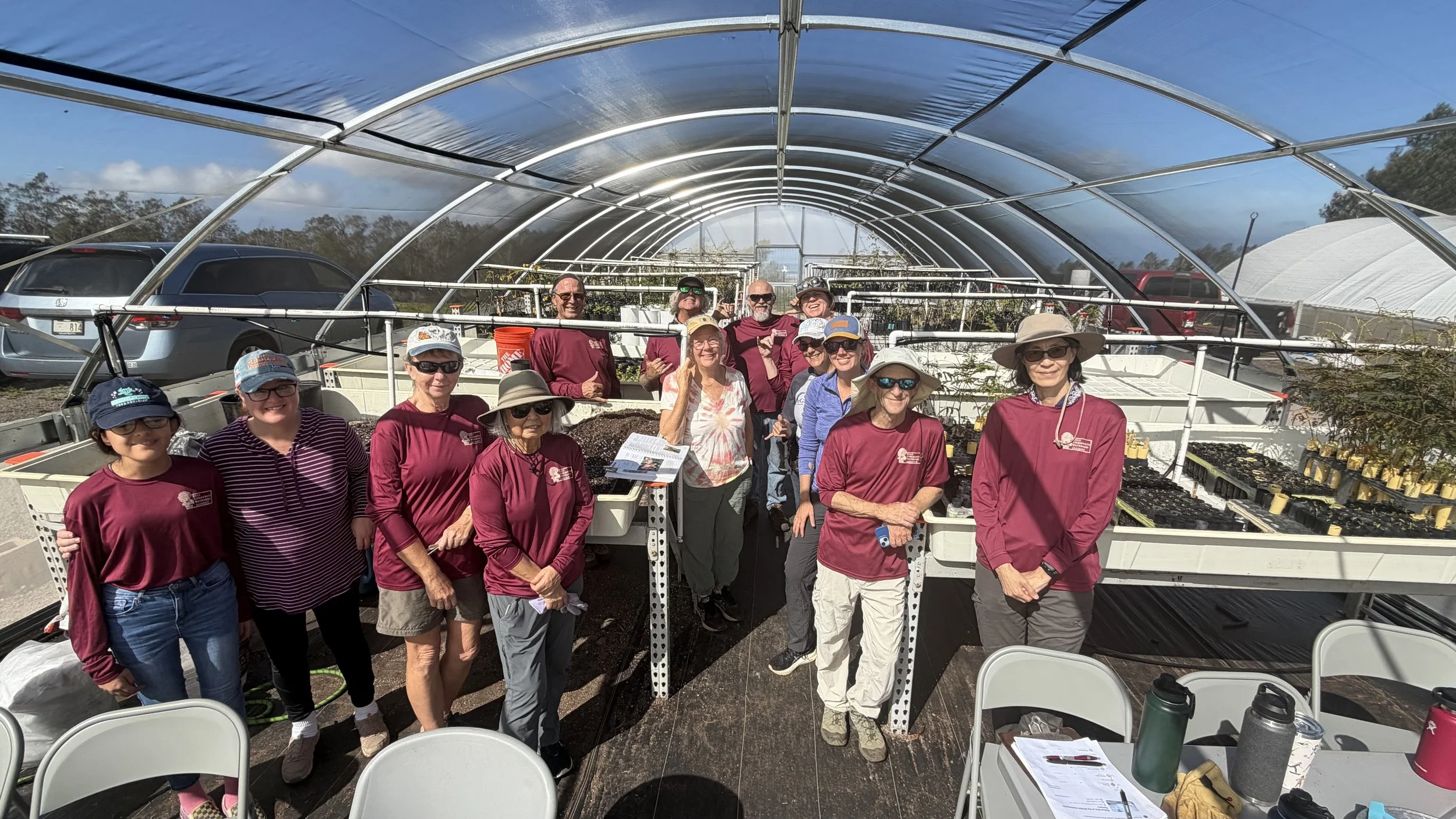
KCWA was formed by people who live here. From the beginning, we have been working not only in a fire-affected landscape, but with a fire-affected community. Those two things cannot really be separated.
Years after a disaster, people may still be navigating insurance, rebuilding, financial decisions, family needs, changing living arrangements, damaged infrastructure, government programs, contractors, permits, and an enormous number of other decisions they never expected to have to make.
At the same time, the land itself needs attention.
Slopes need to be stabilized. Invasive vegetation returns and needs to be controlled. Fences need to be installed. Deer and other pressures need to be managed. Native vegetation needs to be reestablished. Work happening on one property affects what happens next door and downstream.
For an individual landowner, it can be a lot.
One of the lessons KCWA has learned is that successful ecological recovery depends in part on reducing the burden of recovery for the people who live within the landscape.

Recovery requires more bandwidth than people may have
A recent article from The After Collective, based on conversations with 115 Los Angeles wildfire survivors, described disaster recovery as something resembling a second full-time job. Survivors were simultaneously managing housing, insurance, finances, health, rebuilding, family responsibilities, paperwork, and competing deadlines—at a time when the experience of disaster itself can affect attention, memory, and decision-making.
That resonates with what community-based recovery asks of people.
It would be easy for an organization like ours to assume that every unanswered email means a lack of interest, every missed meeting means a lack of commitment, or every delayed decision means that a landowner does not care about restoration.
We try not to make those assumptions.
Instead, we work to create a system that can carry more of the organizational burden.
That might mean keeping detailed records of what has already been discussed, following up after a property visit, reminding someone of an upcoming step, coordinating contractors across multiple properties, keeping photographs and project histories organized, or simply being able to tell a landowner:
Here is where your property stands. Here is what happens next. Here is what we need from you—and right now, maybe that is nothing.
Sometimes that clarity is as important as the work itself.

People don't necessarily need more information. They need help navigating it.
Another important finding from The After Collective's research was that survivors were not necessarily asking for more resources or more information. Many already had too much. What they wanted was help figuring out what applied to them and what they should do next.
We think there is an important lesson here for environmental organizations working after disasters.
KCWA could hand every landowner a list of resources about wildfire mitigation, erosion control, native plants, invasive species, watershed management, fencing, grants, contractors, grazing, and land stewardship.
But that would still leave each household responsible for figuring out how all of those pieces fit together.
Our goal is different.
Whenever possible, we try to turn a complicated landscape-scale problem into a manageable next step.
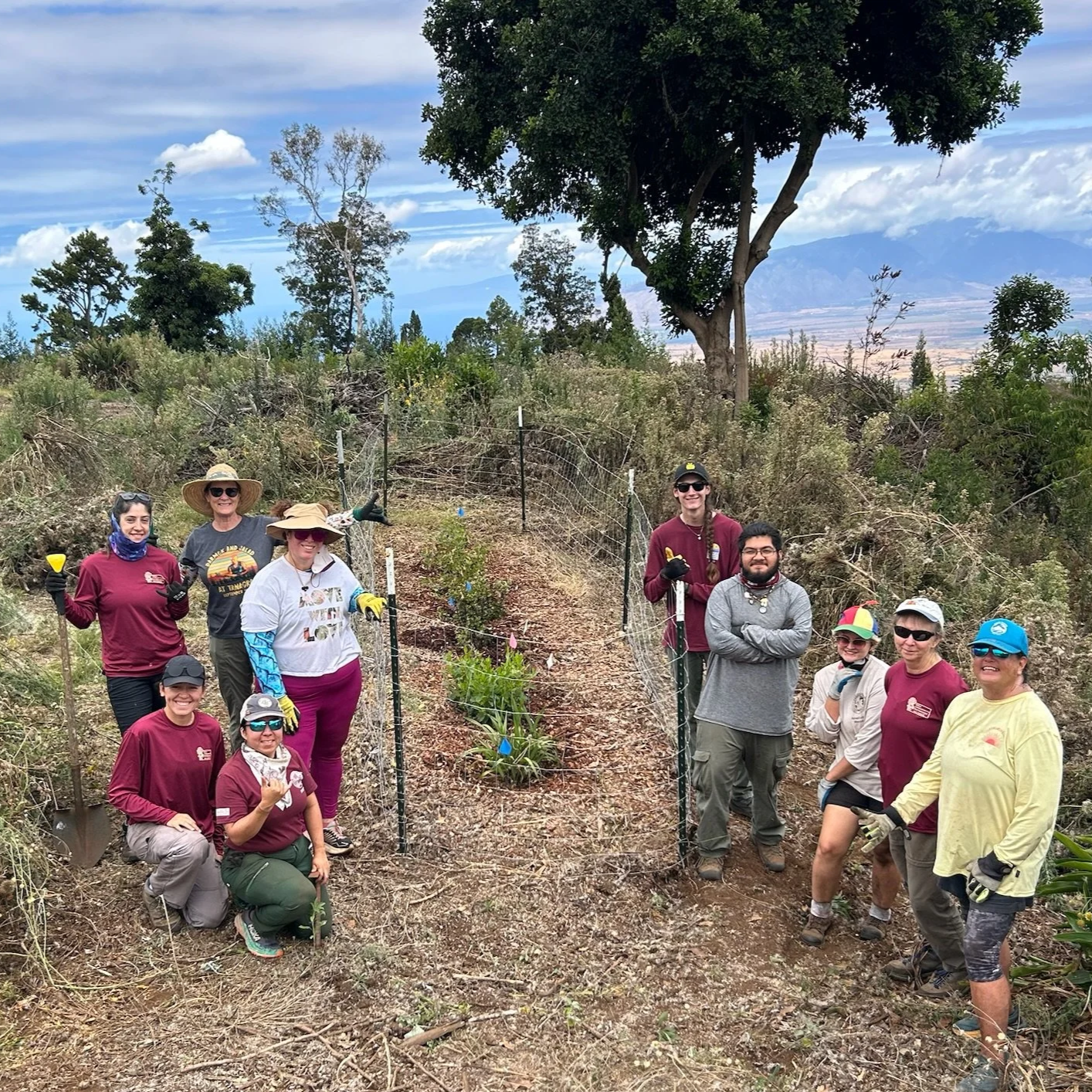
That means walking properties together. It means explaining why certain work is recommended. It means coordinating across property boundaries. It means helping neighbors understand how their piece of land connects to a much larger watershed and wildfire-resilience strategy.
And it means recognizing that the person standing beside us may have many other things happening in their life that we know nothing about.
The relationship shouldn't end when the project is complete
Disaster recovery has a long tail. News coverage moves on. Emergency programs close. Volunteers move to the next disaster. Funding priorities change. The people who experienced the disaster are still there. So is the landscape.
For KCWA, this has reinforced the importance of thinking beyond individual projects or grants. Our work follows a longer process: Stabilize. Protect. Restore. Maintain.
Increasingly, we also think about another element running through all four stages:
Steward together.
A native planting does not become resilient the day it goes into the ground. A fuel break requires maintenance. Invasive species return. Fences need monitoring. Droughts happen. Storms happen. New neighbors arrive. Conditions change.
Long-term resilience requires relationships capable of lasting longer than a grant cycle.
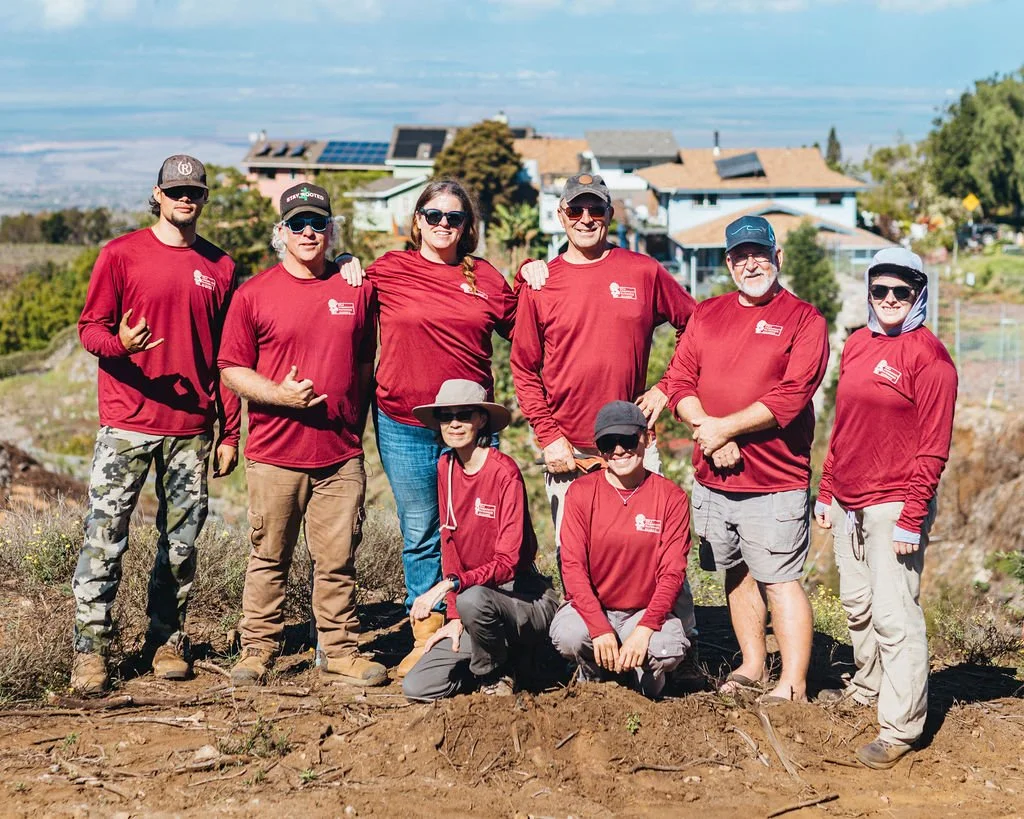
That is why our work with landowners is not simply about obtaining permission to perform a treatment on a property. We are trying to build a network of neighbors who understand that the health and safety of their properties are connected.
Good systems can make more room for human relationships
As KCWA grows, we are also investing in better systems for managing the extraordinary amount of information involved in working across many properties, projects, grants, contractors, restoration activities, and years of follow-up.
But the goal of using better technology is not to make our work less personal. It is just the opposite.
The After Collective's research found that survivors saw potential for technology to help with tracking, paperwork, and administrative burdens—but expressed concern about technology replacing genuine human connection.
We agree. We want technology to remember a meeting date, track the history of work on a property, alert us to an upcoming commitment, organize field reports, and help us understand what needs attention.
We want people to do the human part: To walk the land together. To listen. To explain. To notice when someone has concerns. To help neighbors solve problems together. To celebrate the first rains after planting, the return of native vegetation, the completion of a fence, or the moment an area that looked devastated begins to look alive again.
The better our systems become, the more capacity our team should have for relationships—not less.
Landscape recovery is community recovery
Environmental restoration is sometimes described as though the landscape exists separately from the people living within it.
Our experience in Kula has taught us otherwise. A watershed is physical—soil, water, vegetation, topography, wildlife. But resilience is also social.
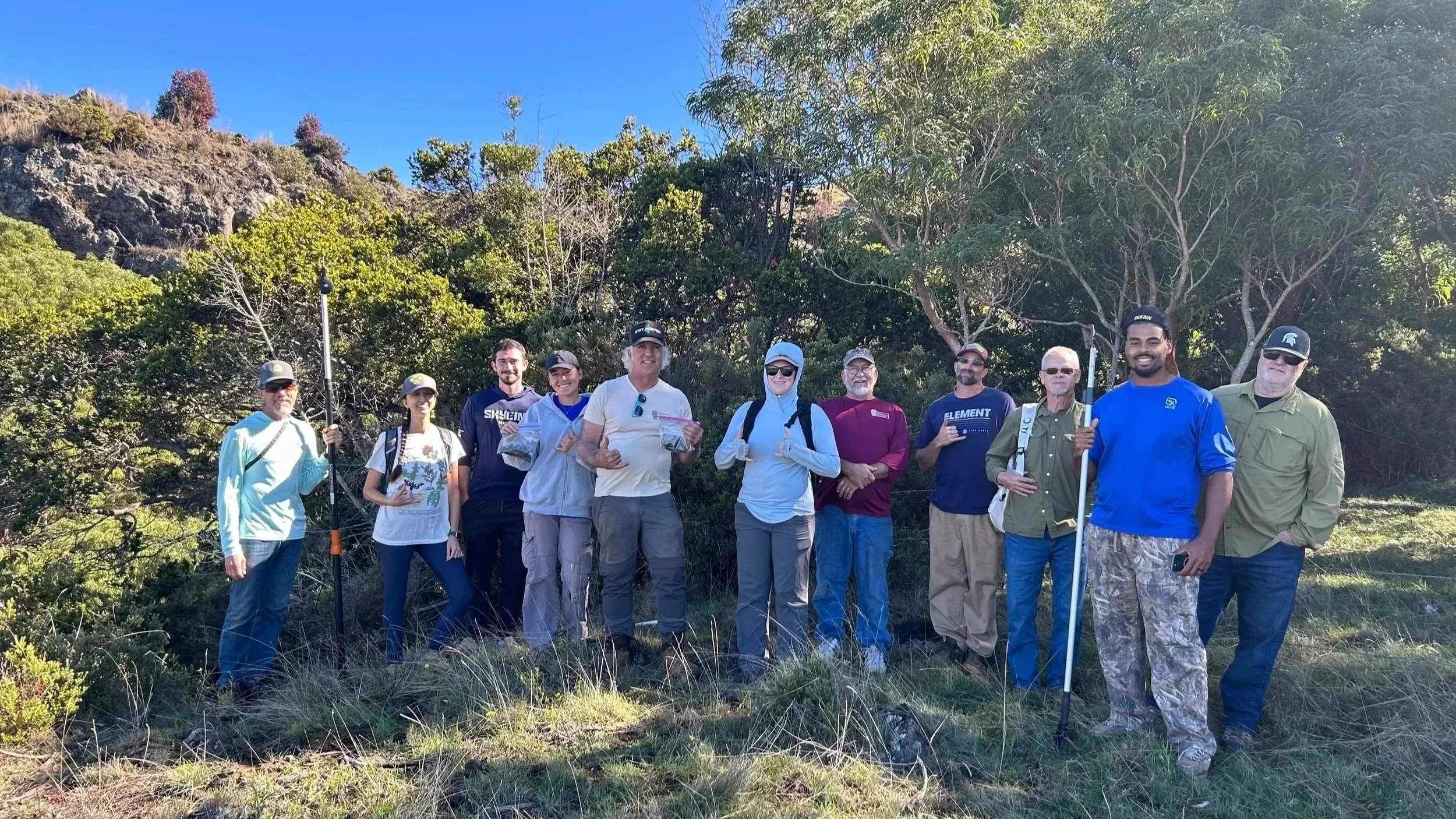
It is neighbors communicating across property lines. It is someone knowing whom to call when they see a problem developing. It is shared knowledge about the landscape. It is trust built slowly through years of showing up.
KCWA cannot remove every burden that comes with disaster recovery, nor is that our role. But within the part of recovery that we can influence, we can choose to make the experience less fragmented, less confusing, and less lonely.
Instead of asking dozens of individual households to independently become experts in restoration, wildfire mitigation, invasive species, fencing, native plants, contractors, grants, and watershed management, we can build a community structure that helps carry that work collectively.
That idea sits at the heart of our Theory of Change:
Lasting wildfire resilience and watershed recovery happen when neighbors steward the landscape together.
Three years after that first gathering beneath a young koa–ʻōhiʻa canopy, we understand that sentence more deeply than we did when we began. We are restoring vegetation. We are restoring watershed function. We are reducing wildfire risk. And, property by property and relationship by relationship, we are also helping rebuild the connections that allow a community to care for a landscape together.
In many ways, the canopy we gathered beneath three years ago offered us the lesson before we had the language for it:
Restoration takes time. It requires care. It depends on people who are willing to keep showing up. And, eventually, what begins as a few young trees can become a place where a community gathers in the shade.
Because restoring a fire-affected place means caring for both: the land, and the people who call it home.