For Landowners
Restoration begins with relationships.
Since the 2023 Kula Fire, KCWA has met with landowners across every property in the burn zone—sitting together, walking the land, listening to concerns, documenting conditions, and identifying what each place needs to recover.
Those conversations are the foundation of our work.
Because wildfire, water, invasive species, erosion, and wildlife move across property lines, we don't treat each parcel as an isolated project. We work with landowners individually while planning restoration collectively across the larger landscape.
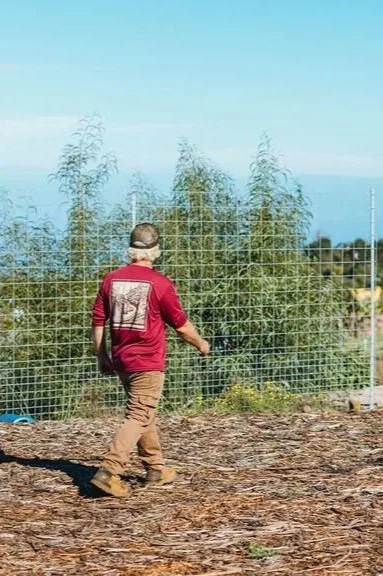
We come to the land.
Our work with landowners happens on the property itself.
We sit together. We walk the land. We talk about what was there before the fire, what has changed, what concerns the landowner most, and what they hope the property can become.
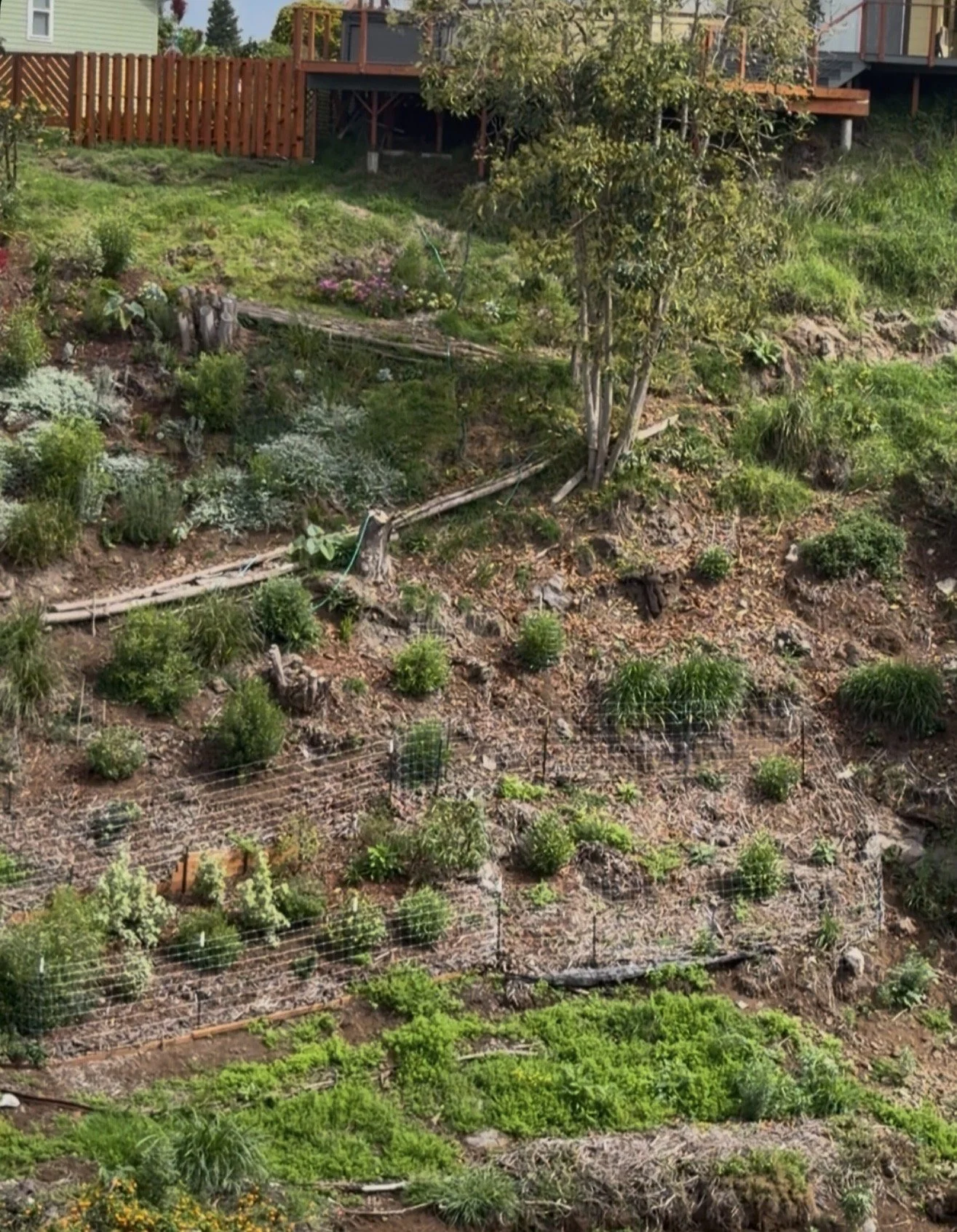
Together, we look closely at invasive vegetation, wildfire fuels, erosion and water movement, fencing and ungulate pressure, native plants, access, previous treatments, and areas that will need ongoing care. We look at how this property connects to those around it, and share how it is part of a larger watershed.
And we come back.
As conditions change and restoration progresses, KCWA continues working with landowners to reassess priorities, coordinate upcoming work, and understand how each property connects to what is happening next door and across the watershed.
How We Work With Landowners
Restoration starts with listening, understanding the land, and building a plan that fits into the larger landscape.
01 — Listen & Learn
We begin with the landowner’s knowledge of the property—its history, priorities, concerns, and what has changed since the fire.
02 — Walk & Assess
Together, we walk the land and look at current conditions, including vegetation, fuels, erosion, wildlife pressure, access, and restoration opportunities.
03 — Connect the Landscape
We consider the property in relation to neighboring parcels, existing or future fencing, fuel breaks, drainage, invasive species, wildlife movement, and broader restoration priorities.
04 — Coordinate & Implement
As funding, project requirements, timing, and site conditions allow, KCWA coordinates appropriate restoration, mitigation, and follow-up work.
05 — Return & Adapt
We come back. We monitor progress, manage regrowth, support native plant establishment, maintain treatments, and adjust as conditions change.
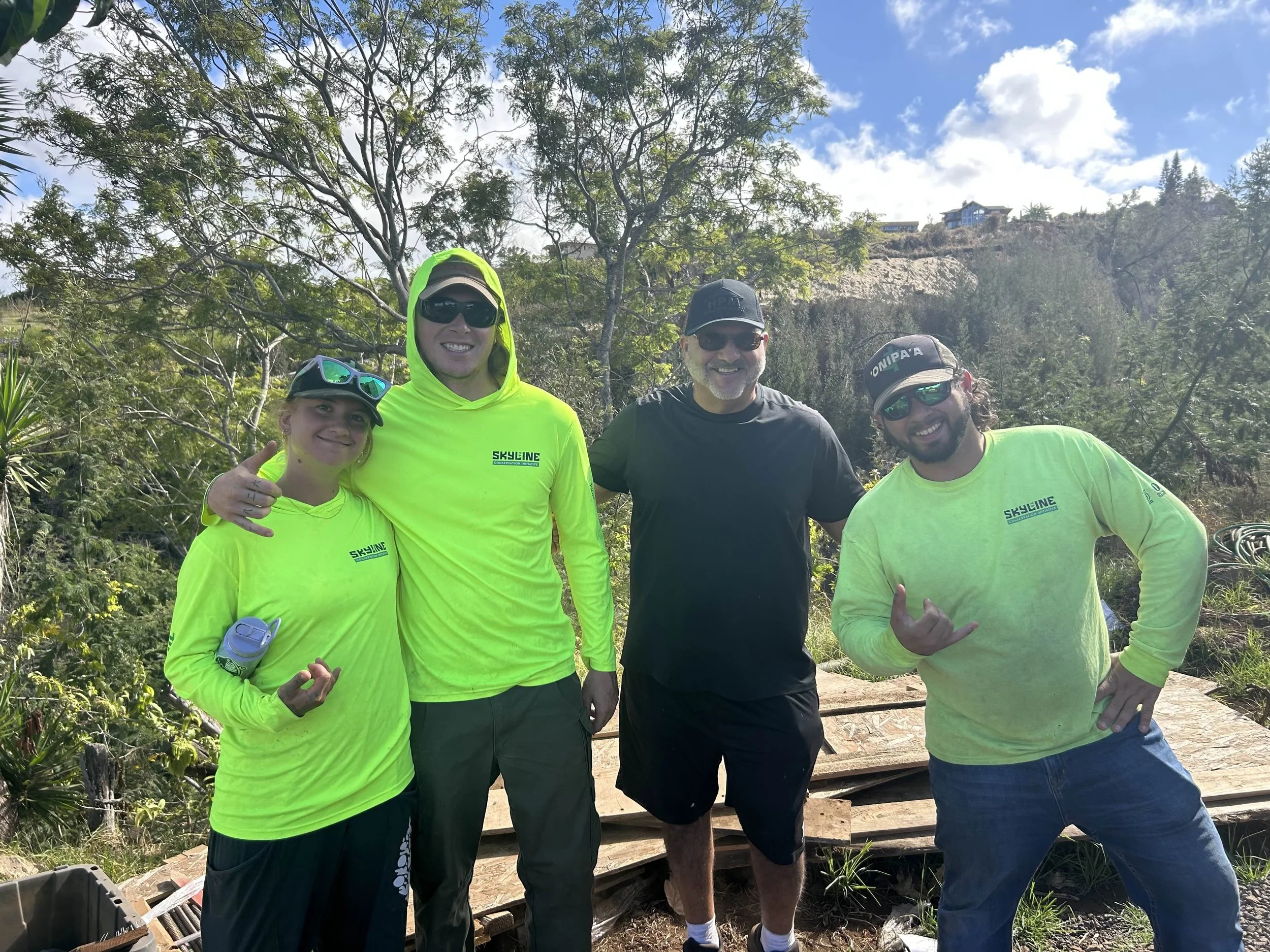
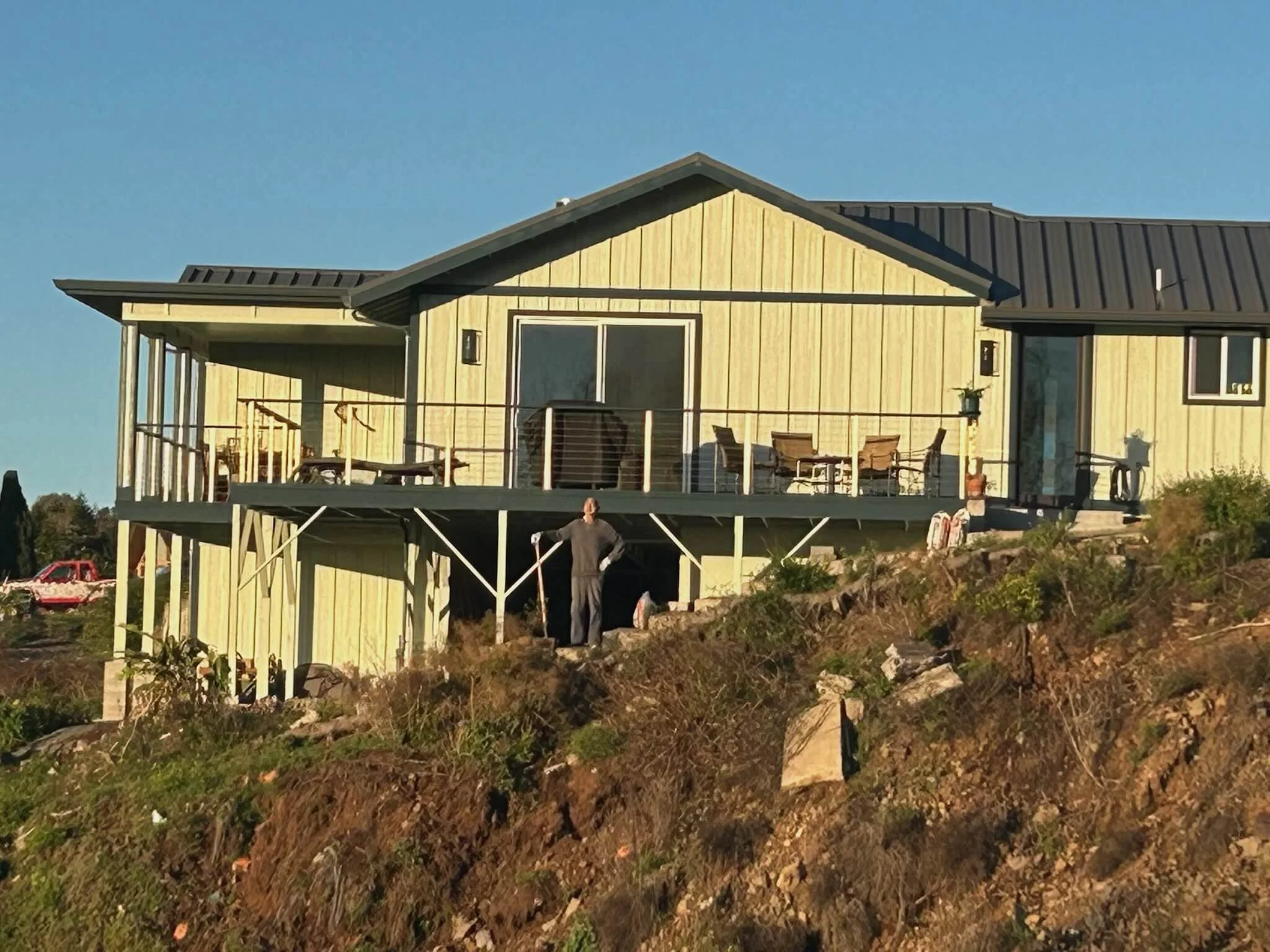
Stay connected to the work.
Our Quarterly Field Reports keep participating landowners and partners informed about what has been completed across the landscape, what we are observing, and what is coming next.
VIEW QUARTERLY FIELD REPORTS →
What we look at on the land
Every property is different. We look at the conditions that shape wildfire risk, restoration potential, and long-term stewardship.

Invasive Species & Wildfire Fuels
We look at invasive vegetation, accumulated fuels, regrowth, and where treatment can reduce risk while supporting longer-term restoration.
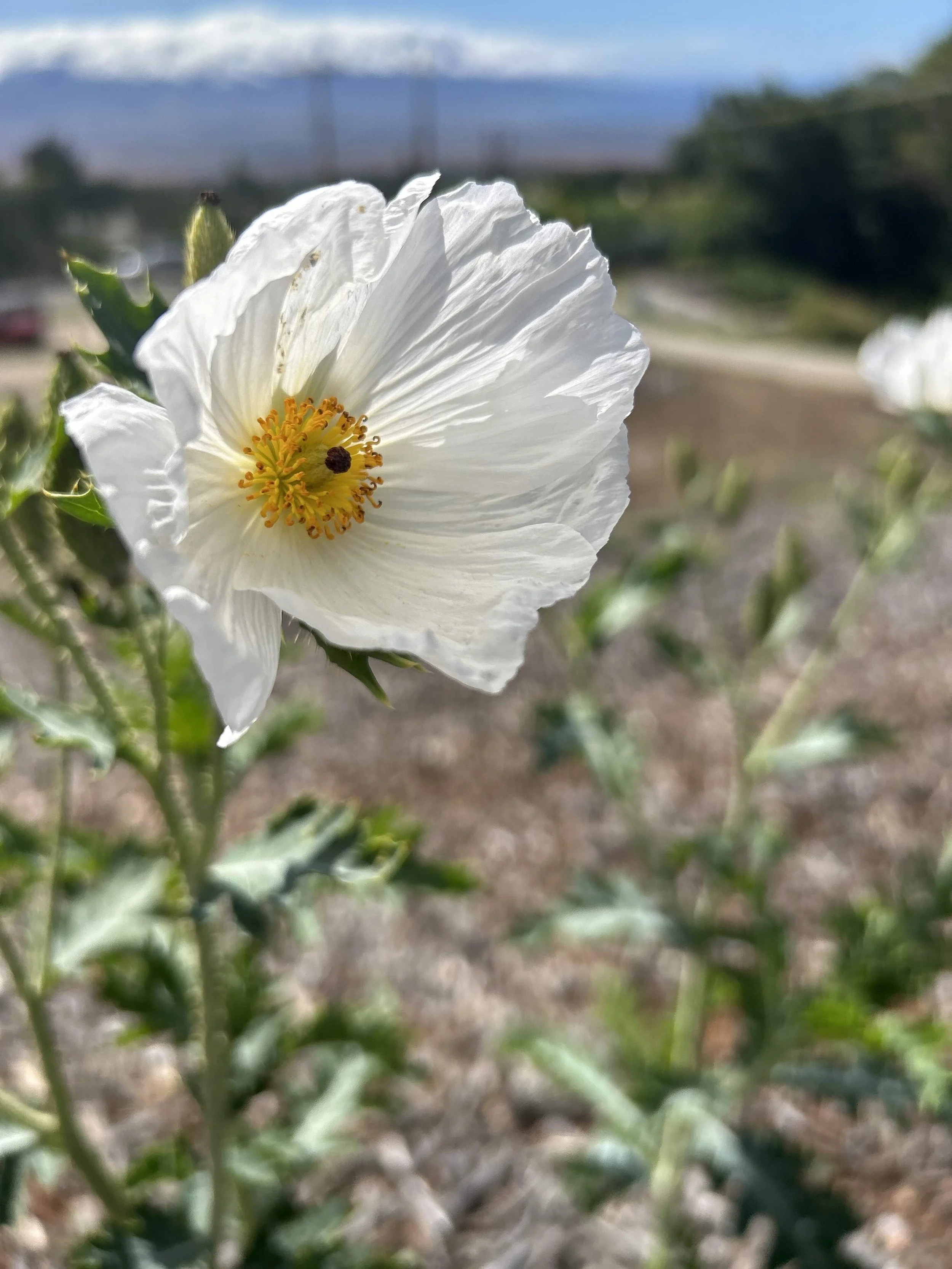
Native Vegetation & Revegetation
We identify any existing native plants, opportunities for restoration, appropriate species, and what conditions need to be in place before planting.

Fencing & Ungulate Pressure
We assess where deer and other ungulates are affecting vegetation and where fencing or other protection may be needed for restoration to succeed.

Access & Implementation
We consider access, terrain, equipment needs, neighboring properties, and other practical factors that affect how work can be carried out.
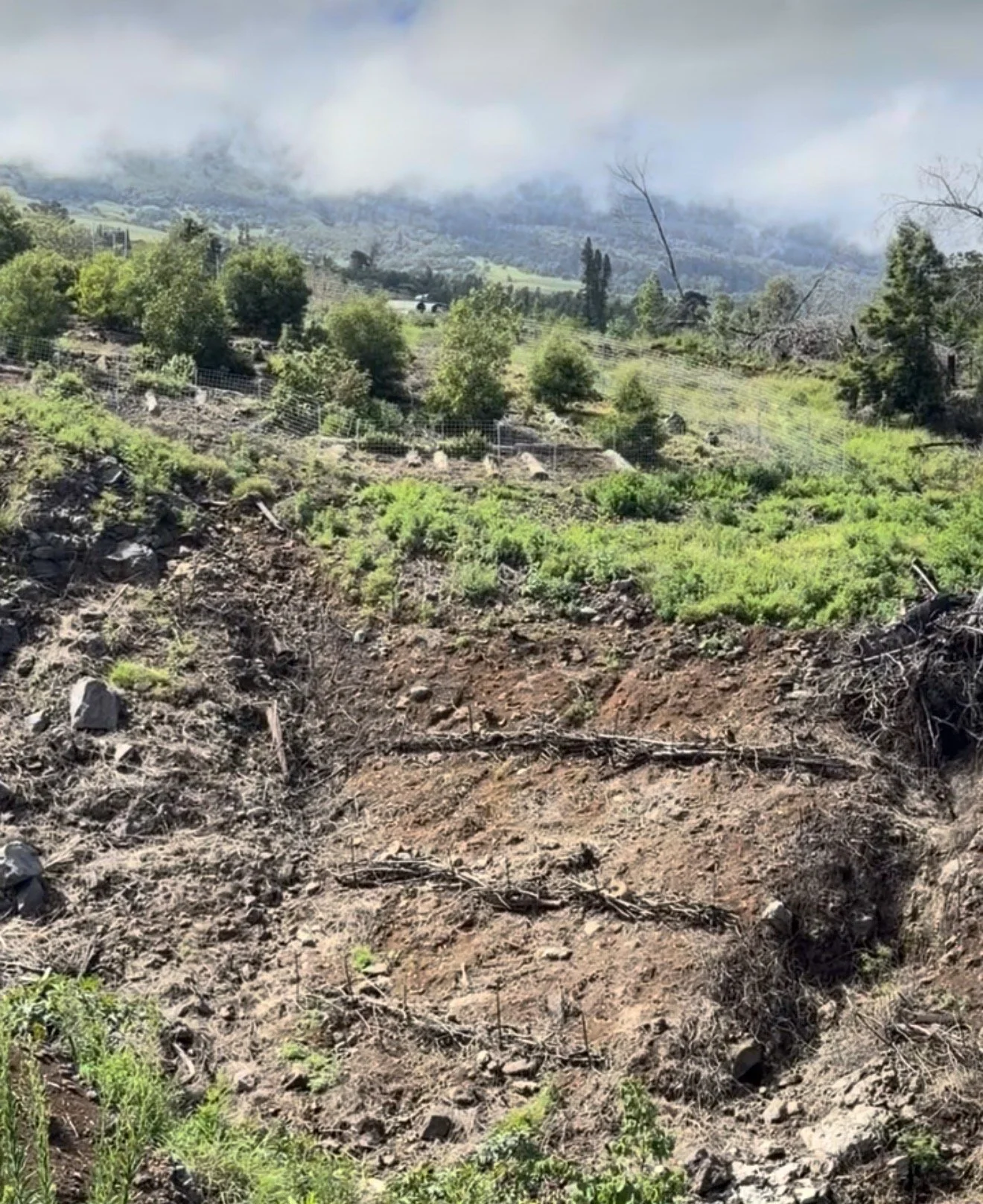
Erosion & Water Movement
We look at how water moves across the property, where soils are vulnerable, and where runoff, sediment, or drainage may need attention.

Long-Term Maintenance
We look beyond the first treatment—considering regrowth, follow-up work, plant establishment, fence maintenance, and how the property will need to be cared for over time.